

Methane Reduction in Coal Mines in China
Observations and Prospects
English
NOV 2022
Policy Brief
Beyond Carbon Energy Transition
Summary:
This policy brief focuses on methane emissions from China's coal mining sector, the largest single source of methane in the country. It explains that ultra low concentration ventilation air methane accounts for the majority of these emissions and is difficult to capture or utilize due to cost and technical constraints. The brief also highlights growing emissions from abandoned mines, which remain unmonitored and unregulated. It identifies gaps in emission standards, monitoring systems, and economic incentives, and recommends strengthening U.S.–China cooperation on methane, compiling abandoned mine inventories, revising emission standards, improving monitoring and verification, advancing cost effective utilization technologies, and establishing dedicated financing and voluntary industry initiatives.
Suggested citation:
Chen, M., Hong, J., Hu, M., & Mo, K. (2022). Methane Reduction in Coal Mines in China. Policy Brief. Beijing: Institute for Global Decarbonization Progress (iGDP).
Related
-
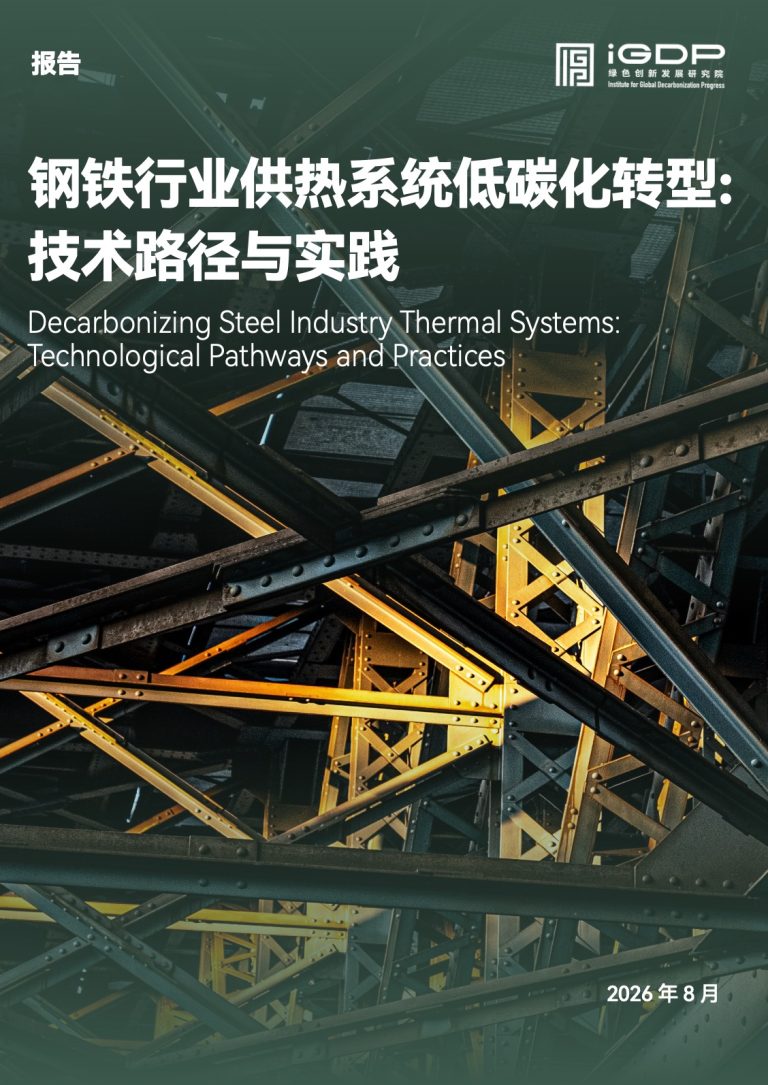
Decarbonizing Steel Industry Thermal SystemsThis report examines the low-carbon transition pathways for thermal/heating systems in China's steel industry, reviewing the policy drivers behind decarbonization and analyzing the technological trajectory across near-, medium-, and long-term horizons (2025–2060). It surveys and compares the applicability, economics, and emissions-reduction potential of key technologies—including waste heat recovery, system efficiency improvements, and hydrogen-based metallurgy—through in-depth case studies (HBIS Group's hydrogen metallurgy, Shougang Jingtang's process interface optimization, and Sinosteel/CISP's hydrogen-based smelting reduction, among others). It further identifies the practical barriers to scaling these technologies (high green hydrogen costs, renewable energy intermittency, stranded-asset risk, and weak cross-sector coordination mechanisms), and proposes policy recommendations to accelerate the sector's shift toward integration with renewable energy systems.Report AUG 2026
-
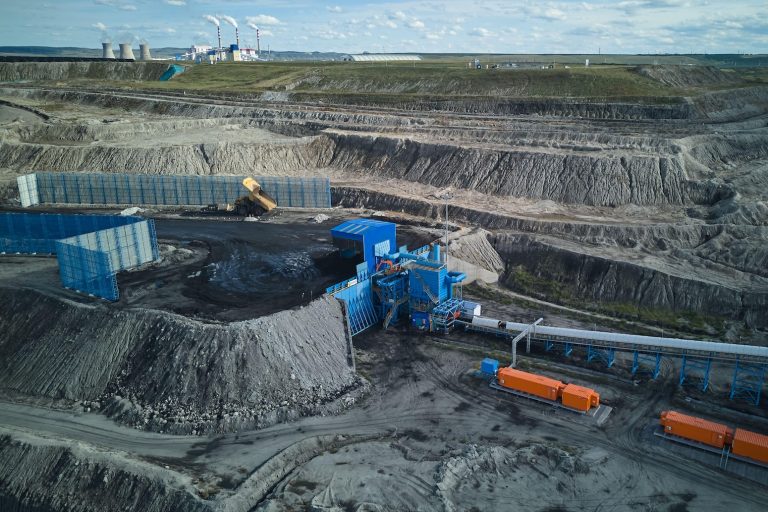
Q&A: What is in China’s new five-year plan for climate change?China has released a five-year plan dedicated to addressing climate change.Interview AUG 2026
-
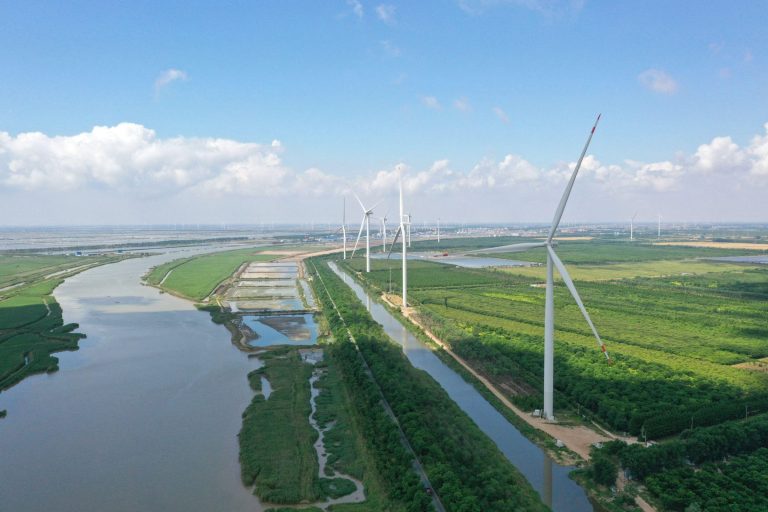
Can China’s zero-carbon industrial parks go global?In March 2026, China’s 15th Five Year Plan set a target to build “around 100 national level zero-carbon industrial parks” – zones for industrial production with net-zero or close to zero carbon emissions. It marked an upgrade to what had previously been a series of pilot projects around the country and catapulted such zones to a national priority.Interview JUL 2026
-
China Signals Nation Is Ready to Lead Global Climate ActionInterview JUL 2026

-
A Reduction Capacity of 30 Million Tonnes of CO₂ Equivalent to Be Developed: Non-CO₂ Greenhouse Gas Control Accelerates Nationwide | Decoding Climate Plans①Recently, the Ministry of Ecology and Environment, in collaboration with the National Development and Reform Commission and 18 other departments, jointly issued the “National 15th Five-Year Plan for Climate Change Response,” establishing for the first time a comprehensive, all-encompassing system of climate change response targets at the five-year planning level.Interview JUL 2026

-
Green Power Consumption Faces New ChallengesWith the rapid growth in installed capacity, the core challenge facing the power system is shifting from “whether we can generate more green electricity” to “whether we can effectively utilize green electricity at the right time and place.”Interview JUL 2026