

April 21–22, 2024
Beijing
The conference was organized by the Energy Systems Engineering Specialized Committee of the China Energy Research Society and co-organized by the Secretariat of the Green and Low-carbon Development Think Tank Partnership (GDTP) and Beijing Pan-Rock Environment and Energy Research Center. The conference consisted of two main forums and four parallel forums.
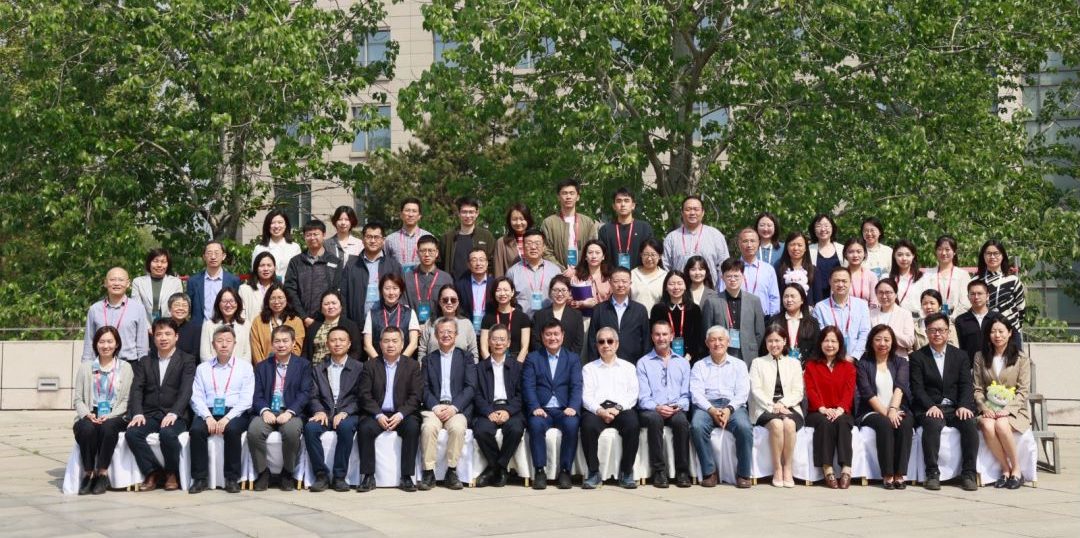
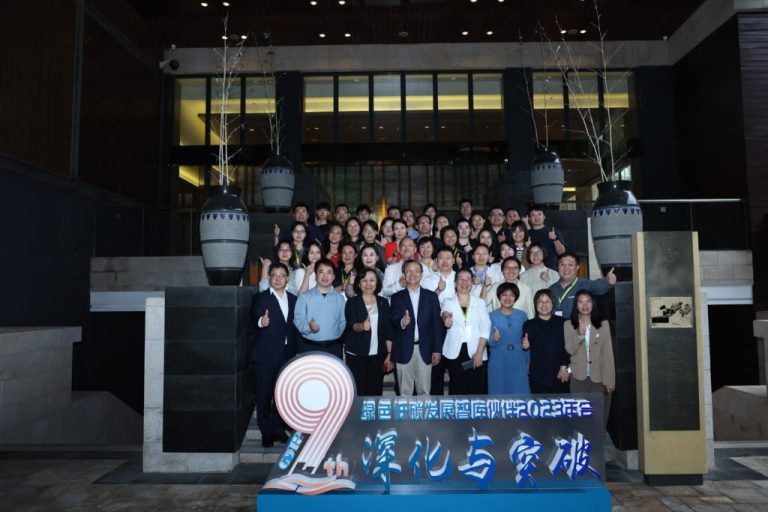
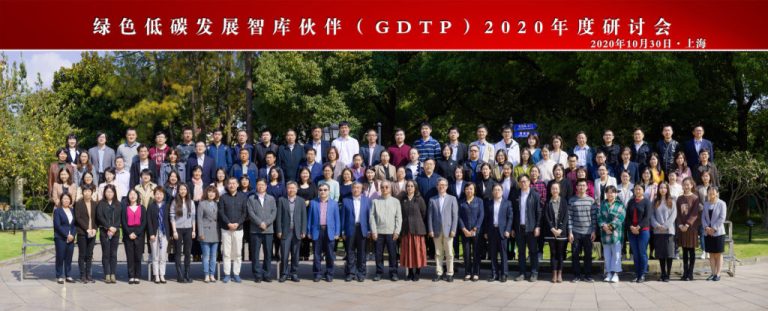
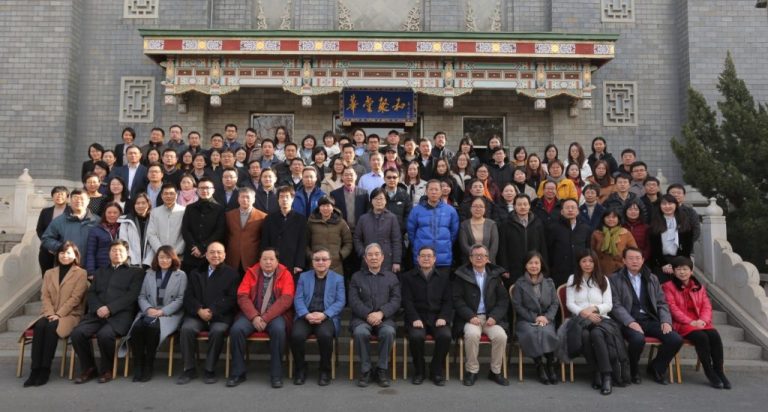

The GDTP 2024 Annual Conference was held in Beijing on April 21–22, 2024. The conference was organized by the Energy Systems Engineering Specialized Committee of the China Energy Research Society and co-organized by the Secretariat of the Green and Low-carbon Development Think Tank Partnership (GDTP) and Beijing Pan-Rock Environment and Energy Research Center. The conference included two main forums and four parallel forums.During the two-day conference, experts from national think tanks and representatives from partner institutions in Inner Mongolia, Shanxi, Shaanxi, Shandong, Anhui, Zhejiang, Shanghai, Jiangxi, Guangdong and other regions held extensive discussions and exchanges on the theme of “Promoting Green and Low-carbon Transition and Developing New Quality Productive Forces.”
At the main forum on “Progress in China’s Carbon Peaking and Carbon Neutrality Strategy” held on the morning of April 21, Jiang Zhaoli, Deputy Director-General of the Department of Climate Change of the Ministry of Ecology and Environment, Sun Zhengyun, Vice Chairman and Secretary-General of the China Energy Research Society, and Zhang Xiliang, Chair of the Energy Systems Engineering Specialized Committee of the China Energy Research Society and Director of the Institute for Energy, Environment and Economy at Tsinghua University, attended the opening remarks session.The session was moderated by Teng Fei, Secretary-General of the Energy Systems Engineering Specialized Committee of the China Energy Research Society.
Morning Session on April 21
Opening Remarks

Sun Zhengyun noted that green development is an inevitable pathway toward sustainable and high-quality development, as well as an effective approach to tackling environmental issues and climate change. The essence of new quality productive forces lies in innovation, using technological breakthroughs to address practical challenges and overcome obstacles to development.The Green and Low-carbon Development Think Tank Partnership is a professional think tank exchange platform in the field of green and low-carbon development in China supported by the Energy Systems Engineering Specialized Committee. It has provided advisory support for China’s green and low-carbon development and energy transition. Sun expressed the hope that GDTP would continue leveraging its strengths as a bridge connecting knowledge, policy and practice, contributing expertise and insights to building a greener and more sustainable world.

Zhang Xiliang stated that the annual conference coincided with the 10th anniversary of GDTP’s establishment. Over the past decade, many changes had taken place: green and low-carbon issues had evolved from emerging topics into major areas of attention; the number of quantitative modeling teams within the GDTP platform had grown; and national policies and instruments supporting green and low-carbon development had evolved from a limited range into a more diversified system.However, what remained unchanged over the past decade was the commitment to promoting China’s green and low-carbon transition and the enthusiasm for cooperation among green development think tanks. He expressed appreciation for the continued support from leaders and partners.
Zhou Dadi, Academic Adviser of the China Energy Research Society and Senior Advisor of GDTP, delivered a keynote speech during the session on “Progress in China’s Carbon Peaking and Carbon Neutrality Strategy.” Other keynote speakers included He Hao, Founder of Energy Innovation Policy and Technology Co., Ltd.; Xu Huaqing, Chair of the Specialized Committee on Carbon Peaking and Carbon Neutrality of the Chinese Society for Environmental Sciences; Zhang Xiliang, Chair of the Energy Systems Engineering Specialized Committee of the China Energy Research Society and Director of the Institute for Energy, Environment and Economy at Tsinghua University; and Zhao Yong, President of the Energy Research Institute of China Huaneng Group.
Keynote Speeches

Zhou Dadi delivered a keynote speech titled “Accelerating New Energy Development as the Core of the Energy Revolution.” He stated that China’s energy structure had undergone significant changes over the past decade, with particularly notable progress in renewable energy development. However, substantial challenges and pressures remained in advancing green and low-carbon development. New energy-based power systems have advantages in terms of energy efficiency, cost-effectiveness, and other aspects. At the same time, the transformation of traditional power systems faces considerable challenges, requiring existing analytical models to address new issues arising from this transition.

He Hao delivered a keynote speech titled “Success Lies in Focus.” He focused on the “four zeros” required to achieve carbon neutrality: zero-carbon power grids, zero-emission vehicles, zero-energy buildings, and zero-pollution industries. Each “zero” requires targeted solutions, including both technological and policy solutions. These two approaches must work together to address the challenges. Technological innovation and policy support are needed to accelerate the development of renewable energy technologies in terms of both speed and scale.

Xu Huaqing delivered a keynote speech titled “Reflections on the Priorities and Challenges of the Carbon Peaking and Carbon Neutrality Strategy.” He discussed the carbon peaking and carbon neutrality goals and China’s national strategy for addressing climate change from a strategic perspective. He identified ten strategic priorities for achieving these goals, including comprehensive energy conservation; preventing high-carbon lock-in and the risks of carbon peaks occurring at high emission levels caused by energy-intensive and high-emission projects; implementing the “two strict controls,” namely strictly controlling the growth of coal consumption and strictly controlling coal-fired power projects; developing new energy as a driver of new quality productive forces; promoting the development of new energy vehicles; tapping into and enhancing the role of carbon sinks; achieving synergy between pollution reduction and carbon reduction; advancing carbon market development; strengthening scientific and technological support for achieving carbon peaking and carbon neutrality goals; and enhancing international cooperation and openness in green and low-carbon development.

Zhang Xiliang delivered a keynote speech titled “Development of Carbon Emission Control Systems and Carbon Markets.” He emphasized the importance of controlling energy consumption and carbon emissions. The carbon market is a key policy instrument for achieving carbon peaking and carbon neutrality goals, as well as an important mechanism for promoting energy substitution and improving energy efficiency. In the future, the carbon market should be further improved by enhancing data quality, expanding sectoral coverage and market participation, and diversifying market trading products.

Zhao Yong delivered a keynote speech titled “Decarbonization Pathways and Policies for the Power Sector,” in which he shared perspectives on China’s pathways for green and low-carbon transformation of the power sector, challenges related to ensuring secure and reliable power supply, and gaps in foundational capacity building.He noted that the development of a new-type power system faces challenges including real-time balancing of electricity supply and demand, insufficient stability of renewable power supply caused by the increase in coal consumption per unit of electricity supplied, and inadequate effective power capacity.Going forward, efforts should focus on strengthening the formulation of carbon emission standards; accelerating carbon emission data monitoring and related infrastructure development; establishing domestic carbon footprint certification institutions; and enhancing corporate carbon asset management.
Roundtable Dialogue & Journal Overview

Zhao Daiqing, Researcher at the Guangzhou Institute of Energy Conversion, Chinese Academy of Sciences, chaired the expert dialogue on “ Transition from Dual Control of Energy Consumption to Dual Control of Carbon Emissions and Local Practices in Green and Low-carbon Industries. ”Experts participating in the dialogue included Jia Le, President of the Inner Mongolia Institute for Low Carbon Development; Tian Zhiyu, Director of the Sustainable Development Research Center at the Institute of Energy Research, Chinese Academy of Macroeconomic Research; Xie Yunsheng, Deputy Director of the Jiangxi Carbon Neutrality Research Center; Yu Wenyi, Researcher at Guangdong Technology and Economic Research and Development Center; Yuan Jin, Chair of the Board of Directors of Shanxi Science and Technology City Energy and Environment Innovation Institute; and Zhou Jian, Assistant Director of the Institute for Energy, Environment and Economy at Tsinghua University. The experts shared their observations on the challenges and responses associated with the transition from dual control of energy consumption to dual control of carbon emissions, as well as local practices in green and low-carbon industries.

Following the dialogue, Teng Fei introduced the journal Energy and Climate Management (English Edition). The journal is China’s first English-language international academic journal that comprehensively and systematically presents the latest research findings in energy management and climate governance. It is dedicated to promoting China’s active engagement in the global energy revolution and climate governance, and establishing a leading international academic exchange platform to enhance China’s international discourse influence in related fields.
The main forum on local practices held in the afternoon featured keynote speeches delivered by Jiang Liping, former Deputy Director of State Grid Energy Research Institute; Li Ting, Managing Director of the Rocky Mountain Institute and Chief Representative of its Beijing Office; Hu Min, Founder and Director of the Institute for Global Decarbonization Progress (iGDP); Liu Jun, Manager of the Trading Department of Shanxi Fengxing Measurement and Control Co., Ltd.; and Wang Yijun, Deputy Director of the Technology Center for Carbon Peaking and Carbon Neutrality and Senior Engineer at Guangdong Electric Power Design Institute of China Energy Engineering Corporation. The session was moderated by Wang Yanhui, Deputy Director of the Institute for Global Decarbonization Progress (iGDP).
Click below to view the PPT presentation:
Teng Fei: Introduction to the Journal Energy and Climate Management
Afternoon Session on April 21
Keynote Speeches

Jiang Liping delivered a keynote speech titled “Policies and Market Mechanisms to Promote Green Electricity Utilization.” She stated that the share of coal-fired power capacity in total installed capacity falling below 40% for the first time represented a milestone, reflecting the power sector’s efforts toward transformation. However, achieving carbon peaking in the power sector ahead of schedule does not necessarily represent the most efficient pathway for energy transition, as China’s energy structure still needs to maintain a certain share of coal. She highlighted four key issues that need to be addressed in the transformation of the power sector: the power system will continue to face dual pressures from “growth and energy supply security + low-carbon transition” in terms of construction and operation; challenges related to market-oriented reform; the need to establish scientific development goals and policy frameworks; and emerging challenges faced by new-type power systems.

Li Ting delivered a keynote speech titled “Innovative Financial Mechanisms Supporting Renewable Energy Development in China: Opportunities and Challenges of Long-term Green Electricity Purchase Agreements.” She discussed the challenges and risks facing long-term green electricity trading agreements, including underdeveloped trading systems, the lack of standardized long-term green electricity contracts, price fluctuations, mismatches between electricity supply and demand, and insufficient response mechanisms. She noted that the rapid development of green finance provides new opportunities for implementing long-term green electricity trading agreements. Transparent, complete, and high-quality information is essential for market development.

Hu Min delivered a keynote speech titled “Prospects for Provincial Climate Actions.” She presented the preliminary findings of the iGDP team’s research on carbon peaking and carbon neutrality pathway models for 30 provincial-level regions for the first time. She stated that the research provides a scientific, systematic, and comparable analytical framework for studying provincial pathways toward carbon peaking and carbon neutrality. The framework can simulate phased carbon peaking pathways across regions, sectors, and measures, supporting province-specific and context-based strategic decision-making for carbon peaking and carbon neutrality.

Xiang Dingxian delivered a keynote speech titled “Challenges in Promoting Virtual Power Plants at the Local Level.” He shared the practices and challenges associated with promoting virtual power plants in Hubei Province. Hubei Province has established the first provincial-level virtual power plant management and control platform in the Central China region. However, challenges and shortcomings remain in areas including policy and regulatory frameworks, market mechanisms, technological complexity, investment and financing, public awareness, grid adaptability, and information security.
Click below to view the PPT presentation:
Xiang Dingxian: Challenges in Promoting Virtual Power Plants at the Local Level

Liu Jun delivered a keynote speech titled “Green Electricity Trading under the Carbon Peaking and Carbon Neutrality Framework.” He provided a comprehensive overview of green electricity trading, covering trading mechanisms, trading volumes, price formation mechanisms, and related challenges. He noted that renewable electricity trading currently faces challenges including an underdeveloped market system for the environmental value of renewable electricity, incomplete trading rules and organizational mechanisms, and insufficient coordination among renewable electricity trading, green electricity certificate trading, and carbon markets.
Click below to view the PPT presentation:
Liu Jun: Green Electricity Trading under the Carbon Peaking and Carbon Neutrality Framework

Wang Yijun delivered a keynote speech titled “Reflections on the Development Path of New-type Power Systems in Guangdong Province.” She introduced the top-level design of Guangdong’s carbon peaking and carbon neutrality strategy, the current status of green and low-carbon development in the energy and power sectors, and relevant pathways. She stated that promoting green and low-carbon transformation of Guangdong’s energy and power sectors requires advancing green and low-carbon energy transformation on the supply side, promoting green energy substitution and energy efficiency improvements in industrial energy consumption on the demand side, and strengthening environmental governance, ecological development, and the application of carbon capture, utilization and storage (CCUS) technologies on the carbon sequestration side.
Roundtable Dialogue

Jiang Kejun, Researcher at the Institute of Energy Research, Chinese Academy of Macroeconomic Research, chaired the expert dialogue on “Local Practices of Market Mechanisms Promoting Renewable Electricity Utilization.”Experts participating in the dialogue included Xu Rui, Deputy Director of the Energy Technology Research Institute of Jiangxi Investment Group Co., Ltd.; Wang Yu, Associate Researcher at the Institute for Energy, Environment and Economy at Tsinghua University; Liu Jun, Manager of the Trading Department of Shanxi Fengxing Measurement and Control Co., Ltd.; and Xiang Dingxian, Deputy Director of Wuhan Energy Conservation Supervision Center.The experts exchanged views on the prospects for renewable electricity development, its role in ensuring energy security and reducing carbon emissions, and approaches to further advancing renewable electricity development in the future.
Special Report

The conference also invited Pan Jiahua, Member of the Chinese Academy of Social Sciences and Dean of the Institute of Ecological Civilization Studies at Beijing University of Technology, to deliver a special report titled “Measurement, Selection and Strategic Assessment of China’s 2035 Nationally Determined Contribution Target.”Pan Jiahua analyzed China’s 2035 Nationally Determined Contribution (NDC) target from the perspectives of energy production, end-use consumption, and target assessment.He noted that China’s goal of achieving carbon neutrality before 2060 may appear later than that of some developed countries, but from the perspective of historical development trajectories, China’s pathway is not behind; rather, it represents an ambitious commitment.
Parallel Forums
On April 22, four parallel forums were successfully held:
- “Green and Low-carbon Transition in the Yangtze River Delta Region” co-organized by Zhejiang Economic Information Center and the Institute for Global Decarbonization Progress (iGDP);
- “Green and Low-carbon Transition in Energy and Resource-dependent Regions” co-organized by the Institute for Global Decarbonization Progress (iGDP), Shanxi Science and Technology City Energy and Environment Innovation Institute, and the Climate Change and Energy Transition Program of the Institute of Energy at Peking University;
- “Low-carbon Freight Transport” co-organized by the Beijing Representative Office of the Institute for Transportation & Development Policy (ITDP);
- “Building Electrification” parallel forum.


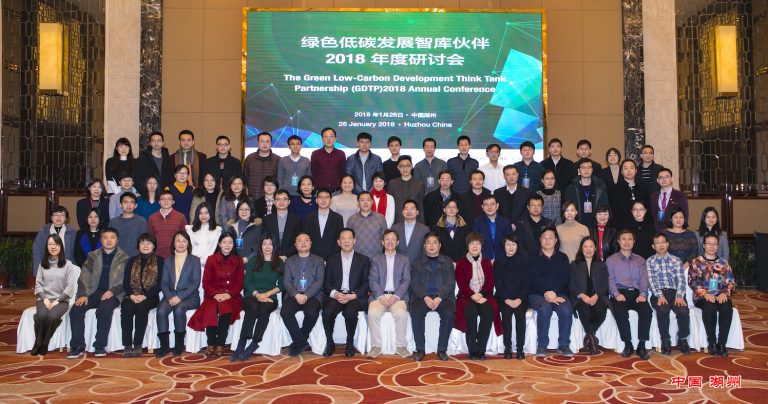
Established in June 2014, the Green and Low-carbon Development Think Tank Partnership (GDTP) entered its 10th year in 2024.The GDTP 2024 Annual Conference returned to the venue where the first GDTP Annual Conference was held. Participants included both experts who attended the inaugural annual conference and representatives and experts from newly joined partner institutions.Looking back on GDTP’s decade-long journey, guided by generations of senior experts and scholars, GDTP’s partner institutions and experts have jointly witnessed the vigorous development of China’s green and low-carbon initiatives.
Over the past decade, China has progressed from low-carbon city pilot programs and local carbon market pilots to officially announcing the carbon peaking and carbon neutrality goals and establishing the national carbon market. Green and low-carbon transition has now become a key component of China’s new development philosophy.The journey has required persistent efforts and exploration. Although the pathway toward carbon neutrality remains challenging and long, GDTP will continue its mission with renewed commitment and move forward with the original aspiration unchanged.


