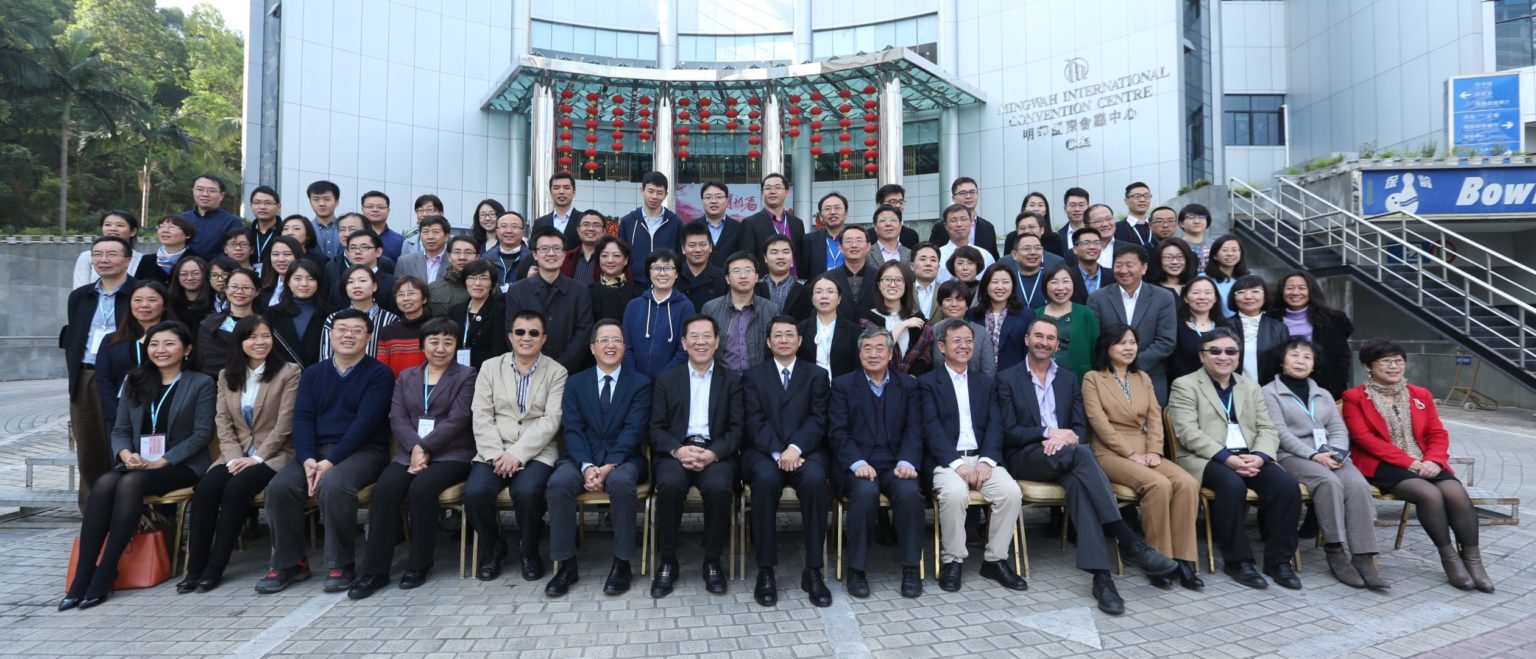
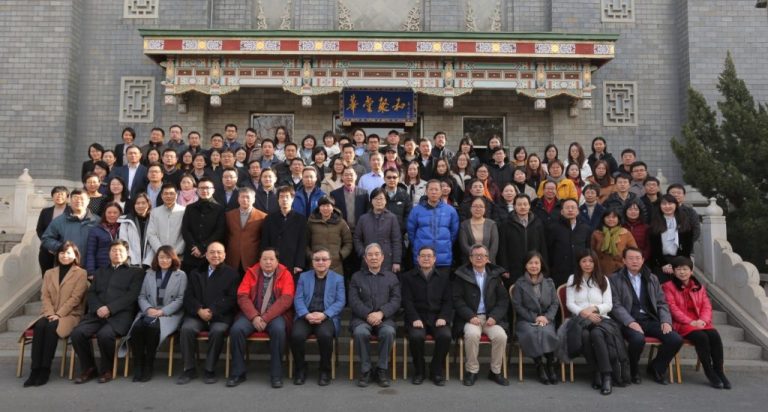
The conference was held at a time when U.S. President Donald Trump had just taken office. In his opening remarks, Professor He Jiankun of Tsinghua University noted:“Climate change response and low-carbon development are entering a new phase. Globally, the inauguration of the new U.S. administration may bring many uncertainties to international climate action. Technological innovation will make low-carbon energy technologies increasingly competitive with greater advantages. The global governance landscape for climate change may experience changes in the future, and developing countries will face new challenges. China is preparing to release its Energy Revolution Strategy for 2030 and advance energy transition in the context of the new normal of economic development. The current international and domestic situation provides a favorable opportunity for low-carbon development. How to seize these opportunities requires in-depth discussions among think tank partners. It is necessary to assess international and domestic development trends and provide more constructive recommendations for national and local governments.”
Against this backdrop, more than 100 participants conducted in-depth and extensive discussions over two days on key issues including implementing the Paris Agreement and the overarching strategy for green and low-carbon development, local greenhouse gas emission control target planning under the 13th Five-Year Plan, actions by local governments and enterprises following the launch of the national carbon market, and energy and carbon emission modeling.